


Can You Wash Sneakers in the Sink? A Practical Guide
Can you wash sneakers in the sink? Yes, with the right method: a gentle hand wash, a check of your materials, and a dry that keeps odor away.

Last Updated: November 1, 2026
Quick Summary
Yes, an electric shoe brush works well for the tedious scrubbing parts of sneaker cleaning, especially on outsoles and textured areas. How well it performs depends on matching the brush head and speed to the shoe material. It cannot remove stains that need chemistry rather than friction.
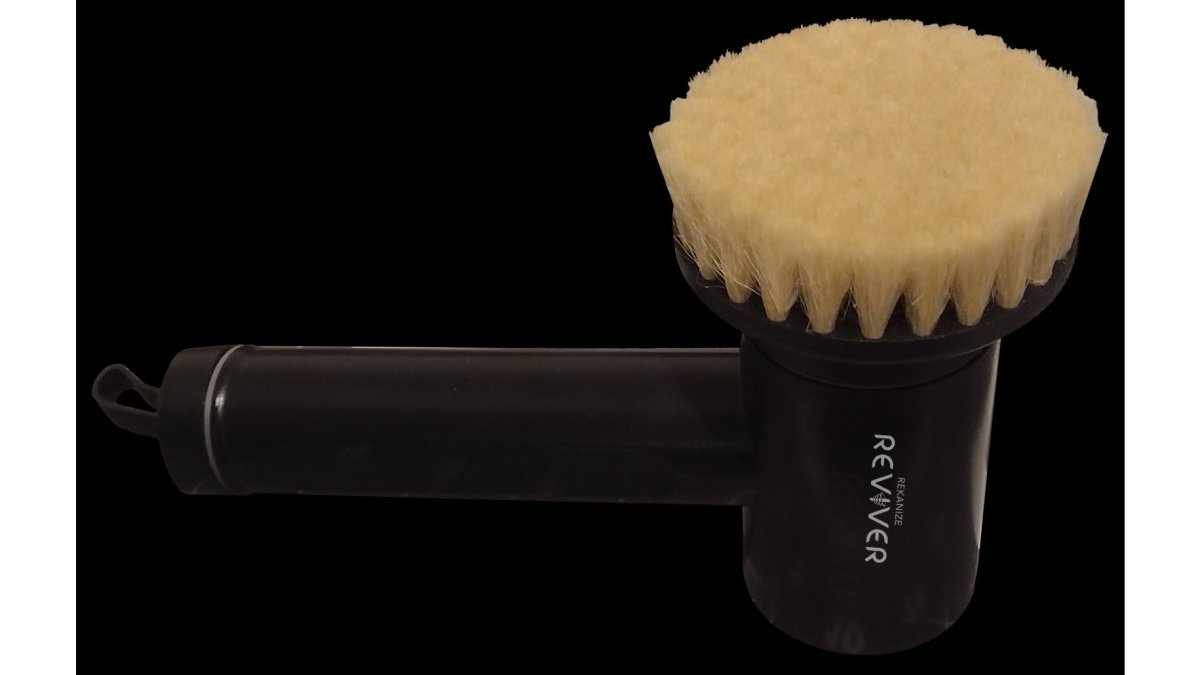
An electric shoe brush is a handheld tool with a motor-driven brush head that spins to lift dirt from footwear. It replaces much of the repetitive scrubbing you would otherwise do by hand. Rekanize’s Reviver, for example, uses interchangeable heads to clean sneakers with less effort.
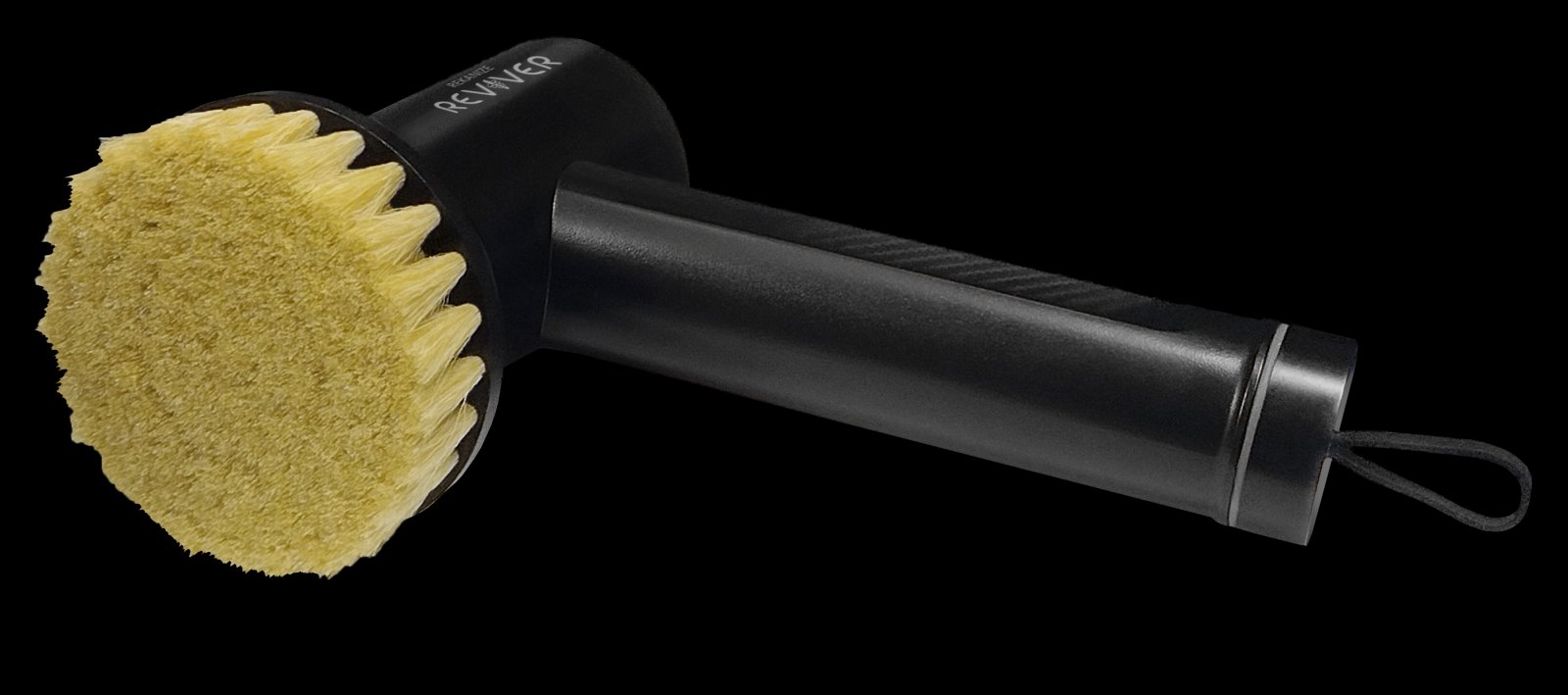
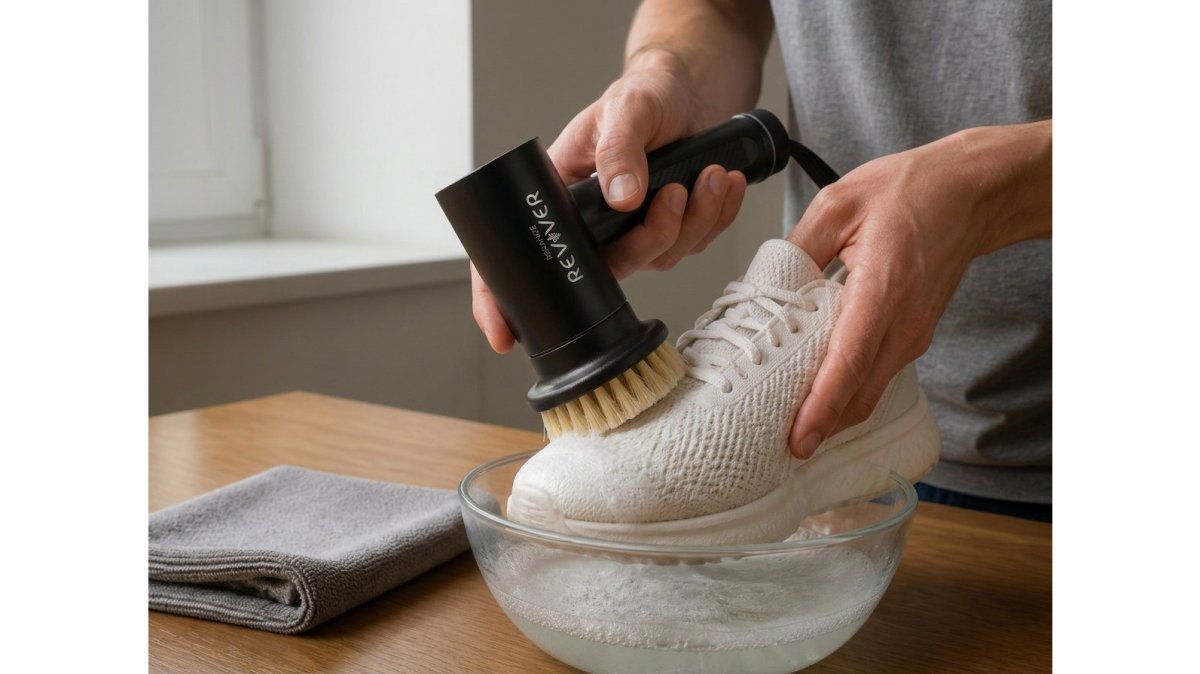
The short answer is yes, it works, but how well depends on the shoe and the brush head you pick. The motor adds rotation and steady pressure, which helps loosen grime from textured outsoles, stitching, and midsole creases. It does not change what the cleaning fluid can do, and it cannot remove stains that need chemistry instead of friction.
The useful way to think about it is as a scrubbing assistant. It handles the tedious, repetitive part of the job so you can spend less time on your knees with a brush and a bowl of water.
Electric cleaners win on speed and consistency. To judge whether that trade-off is worth it for your mesh and suede pairs, compare specs, safety, and costs in Electric Sneaker Brushes: Are They Worth It for Mesh & Suede?. A spinning head covers a surface faster than a hand brush and applies even pressure across each pass. For a detailed guide to which sneaker materials suit delicate electric brushing and which need gentler handling, read Electric Brush for Delicate Sneaker Materials: Safe Cleaning. For sneaker soles, which have deep grooves, that matters.
Hand cleaning still wins on control and delicate detail. Your fingers can feel when you’re pressing too hard, and you can work around stitching, eyelets, and seams with precision a rotating head can’t match.
Most damage from a powered brush comes from three things: too much pressure, too much speed on a soft material, or the wrong brush head. Fix those and the tool becomes predictable. The steps below are built around controlling those three variables rather than just going through the motions.
Rekanize
First, know what you are holding. An electric shoe brush like the Reviver is a handheld, motor-driven brush with interchangeable heads, designed to scrub dirt and grime from footwear. An electric shoe polisher is a different tool from a cleaning brush, and the two answer different needs. If your goal is cleaning sneakers, canvas, mesh, rubber, or suede, you want a cleaning brush, not a polisher. If your goal is buffing dress shoes to a shine, a polisher is the right category. Mixing the two is where a lot of damage stories start.
With that clear, here is a safe sequence:
Always check the manufacturer’s care instructions before cleaning. Materials vary widely, and a method that works on rubber can be too harsh for leather, knit, or bonded uppers. When in doubt, go softer and slower.
Matching the head and speed to the material is the single biggest factor in getting good results, and in avoiding damage. The table below maps the most common footwear materials to a starting point. Treat it as a starting point, not a guarantee, and always test a hidden area first.
| Material | Starting head | Starting speed | Why |
|---|---|---|---|
| Rubber outsoles and hard-wearing soles | Sole (firm bristles) | 280 RPM | Grooves trap grit; firm bristles and higher speed lift it without needing heavy pressure |
| Canvas and heavy textile | Scrub | 280 RPM | Durable weave tolerates firmer bristles and faster rotation |
| Mesh and knit uppers | Soft (natural fiber) | 140 RPM | Open structure snags easily; soft bristles and low speed reduce pulls |
| Smooth leather | Soft | 140 RPM | Light pressure protects the finish; test first, since some finishes are delicate |
| Suede and nubuck | Suede (specialized material) | 140 RPM, dry first | Nap can flatten under pressure; dry brushing lifts dirt before any damp method |
| Patent and coated leather | Soft, or hand-clean | 140 RPM or by hand | Glossy coatings can scuff; hand cleaning is often the safer call |
The four Reviver heads are positioned for these jobs:
Reviver – Electric Sneaker Cleaning Brush →
Speed works the same way. Reviver’s two speeds, 140 RPM and 280 RPM, give you control. Use 140 RPM for lighter cleaning and delicate surfaces. Save 280 RPM for deeper cleaning on tougher dirt and durable areas like soles. Faster is not always better, too much speed on a soft material concentrates friction and can wear the surface before the dirt lifts.
A few material-specific notes worth knowing:
For a closer look at how the heads and speeds fit together, explore Reviver.

Soles are where a powered brush shines. The grooves trap dirt that hand brushing tends to miss.
Work in small sections. Use the sole brush at 280 RPM on rubber outsoles, and keep the head moving across the tread. Then rinse thoroughly, since leftover soap residue can leave a dull film in the grooves.
Watch out: avoid lingering on the sidewall of the sole. Pressing too long in one spot can scuff the rubber.
Suede needs more care than most materials. Water can stain it, and aggressive scrubbing can flatten the nap.
Start by dry brushing with the suede brush to lift loose dirt. For a dedicated, step-by-step method covering dry brushing through stain removal and protection, see the best way to clean suede sneakers safely. Use the lowest speed and light pressure. Only use a damp method on a small hidden spot first, and let the shoe dry fully before judging the result. If a stain remains, stop and consider a specialized suede product or a professional cleaner rather than pushing harder.
An electric shoe brush does work, and it works well for the tedious parts of sneaker cleaning. The key is matching the head and speed to each material, testing first, and knowing when hand cleaning is the better choice.
If you want to save time on sole cleaning and everyday grime, explore Reviver and see how powered brushing fits your routine.
Yes, for most everyday dirt on sneakers, an electric shoe brush can loosen grime faster than hand scrubbing because the rotating head does some of the repetitive motion for you. Results depend on the material, the amount of buildup, and the brush head you choose. Lighter cleaning works best at the lower speed, while tougher dirt on durable areas like soles may call for the higher setting. Always check the manufacturer’s care instructions and test a small, inconspicuous area first, especially on delicate mesh, suede, or premium leather.
It can if the wrong brush head or speed is used on a sensitive surface. Aggressive bristles or high speed on suede, nubuck, or thin mesh may cause roughing or uneven texture. Choosing the softer natural fiber brush for delicate areas, using the lower speed for lighter cleaning, and keeping the brush moving rather than pressing hard all reduce the risk. Footwear materials vary, so follow care labels and test first.
A powered brush can cover more area per pass, which may reduce repetitive scrubbing on larger areas. Hand cleaning still has value for fine detail, delicate panels, and spot treatments where you need close control. Many owners find a combination works best: powered brushing for the bulk of the work and hand touch-ups for edges and tight spots.
Clean sneakers when visible dirt builds up or when the surface starts to look dull, rather than on a fixed schedule. Light brushing after every few wears keeps grime from setting in, while deeper cleaning is needed when dirt is embedded in texture or soles. Frequent gentle cleaning is usually easier on materials than infrequent aggressive scrubbing.
Can you wash sneakers in the sink? Yes, with the right method: a gentle hand wash, a check of your materials, and a dry that keeps odor away.
Learn how often to clean expensive sneakers based on wear count, material, and conditions. Protect your collection with a routine that works.
